Chlorella: Product Forms and Which to Choose
Chlorella is a single-celled green alga sold as tablets, powder, capsules, and liquid extracts. On the store shelf all these products look similar, but they differ in convenience, dosing accuracy, taste and, most importantly, quality control of the raw material. The editorial team explains what to look for when choosing.
Raw material: where chlorella comes from
Under the name "chlorella," the market mostly sells two species of algae — Chlorella vulgaris and Chlorella pyrenoidosa (in modern taxonomy some pyrenoidosa strains have been reclassified, but the marketing name has stuck). Both species are rich in protein, chlorophyll, carotenoids, B vitamins, iron, and vitamin K.
Industrially, chlorella is grown in three ways: in open ponds under the sun, in closed photobioreactors, and heterotrophically — in fermenters, where the alga feeds on glucose without light. The cultivation method affects the composition of the biomass: for example, heterotrophic chlorella contains less chlorophyll and has a lighter color.
Open ponds are cheaper, but their water is more vulnerable to contamination by bacteria, other microalgae, and heavy metals from the environment. Closed systems are more expensive but deliver more consistent quality. This is precisely why the price of chlorella of the same weight can differ several-fold.
After cultivation, the biomass is separated from the water, treated to break down the cell wall, and dried, most often by spray drying. All other forms are then made from this powder: tablets are pressed, capsules are filled, or aqueous extracts are made.
Main product forms
Regardless of the form, the active component remains dried chlorella biomass. The difference lies in the excipients, convenience, and dosing accuracy. A summary is given in the table.
| Form | Advantages | Disadvantages | Who it suits |
|---|---|---|---|
| Tablets | Convenient to carry, no taste, precise dosing | Many tablets needed for a daily serving, possible binders | Those who take chlorella daily and dislike the "marine" aftertaste |
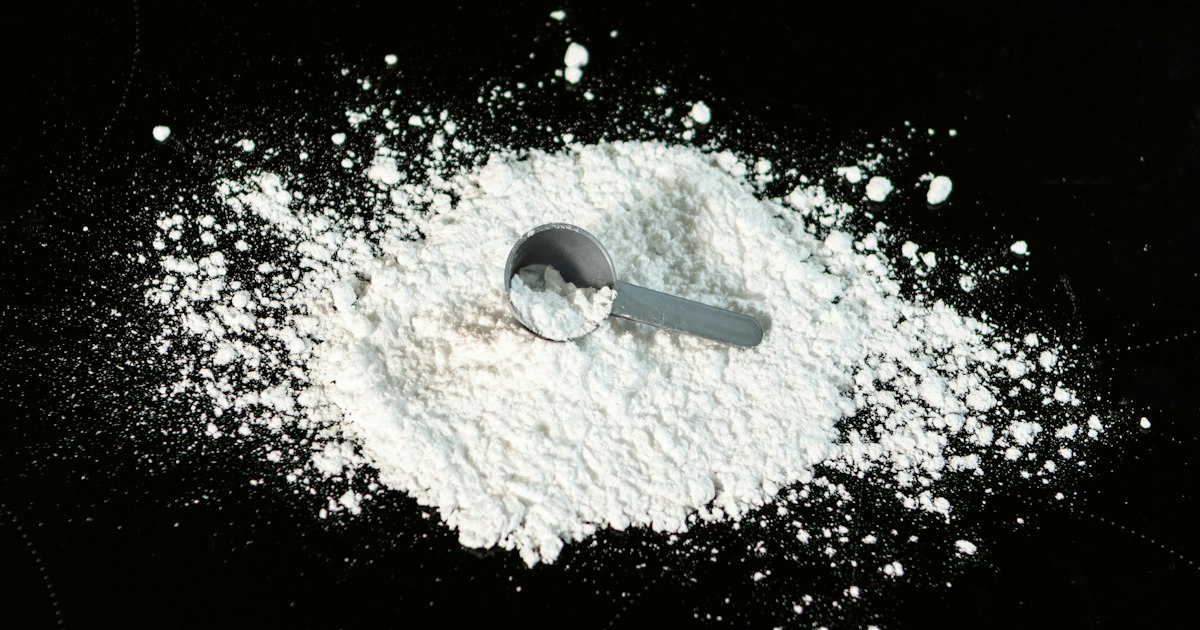
| Powder | Lowest price per gram, easy to add to a smoothie | Strong grassy taste, stains dishes, oxidizes after opening | Those who consume large servings or make drinks |
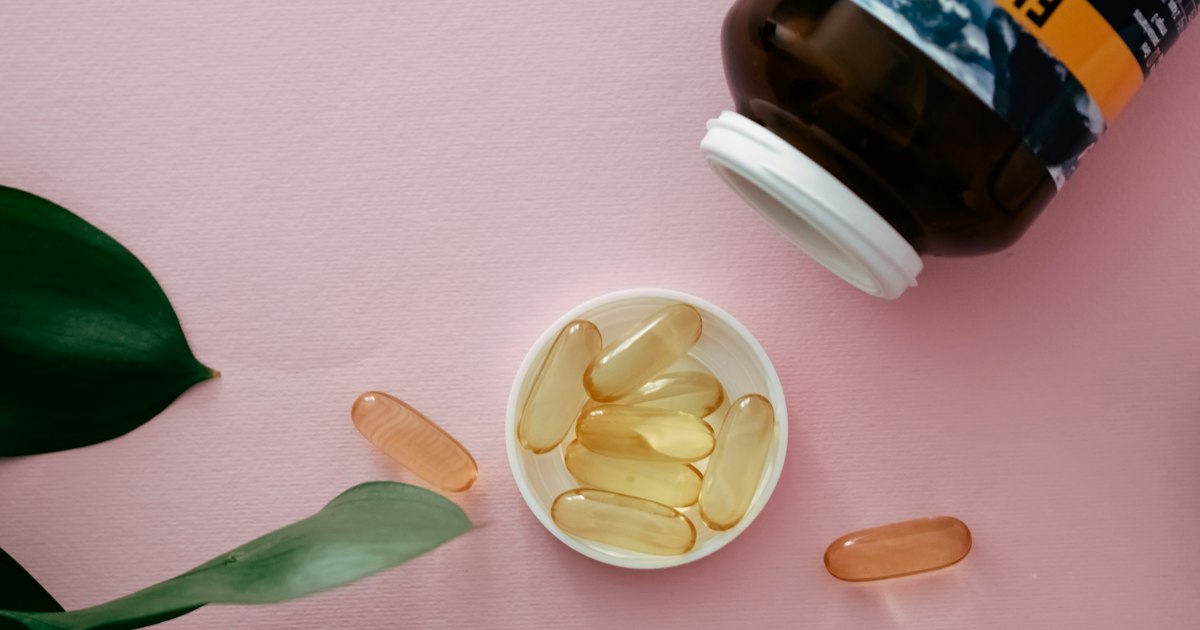
| Capsules | No taste, easy to swallow | Little biomass per capsule, highest price per gram | For small servings, while traveling |
| Liquid extract (CGF) | Contains the water-soluble fraction | Little research data, hard to assess concentration | As a supplement, not a replacement for whole biomass |
Tablets are the most common form. A typical tablet weighs 200-500 mg, so for the servings used in clinical studies (several grams per day), you need to swallow 10-30 tablets. Quality manufacturers press tablets from pure powder without binders, which is worth checking in the ingredients.
Powder is economical but takes getting used to: its taste is intense, "algae-like." It is better mixed into a fruit smoothie or juice. After opening, the bag should be tightly closed and stored in a dark, cool place, because chlorophyll and unsaturated fatty acids oxidize in the light.
Capsules are convenient for those who cannot tolerate the taste, but one capsule usually holds only 400-500 mg of powder. Liquid extracts sold under the label CGF (Chlorella Growth Factor) are the water-soluble fraction of the biomass; there is far less scientific data on their separate effectiveness than on whole chlorella.
Cell wall and digestibility
Chlorella has a dense, multilayered cell wall that the human digestive tract breaks down poorly. If the wall is not broken during production, a significant portion of the proteins, pigments, and vitamins may pass through the intestine in transit. That is why almost all manufacturers indicate "broken cell wall" or "cracked cell wall" on the label.
To break the wall, mechanical methods (ball mills, high-pressure homogenization), ultrasound, pulsed electric field, or enzymatic treatment are used. A review by Safi and colleagues (2014) shows that the effectiveness of different methods varies and depends on the strain and cultivation conditions.
It is important to understand the limits of this argument. There are few direct comparative studies in humans that would quantify how much better one processing technology or another is absorbed. Therefore, the phrase "broken cell wall" is a necessary condition for a quality product, but not a guarantee that one brand is absorbed twice as well as another.
The practical conclusion is simple: choose a product where the processing method is stated directly, not just a general formulation. The absence of any mention of wall disruption is a reason to doubt the quality of the raw material.
Markers of quality and safety
Since chlorella actively accumulates substances from the water in which it grows, the main risk of a low-quality product is contamination. In the European Union, the maximum levels of lead, cadmium, mercury, and other contaminants in food products and supplements are regulated by Commission Regulation (EU) 2023/915. Conscientious manufacturers confirm compliance with laboratory reports.
Before buying, the editorial team advises checking the following points:
- Species and country of originof the raw material — this should be stated, not just "algae."
- Cultivation method— closed systems usually yield cleaner raw material.
- Certificate of analysis (CoA)for heavy metals, microbiology and, preferably, microcystins.
- Composition without extras:ideally 100% chlorella without colorants or sweeteners.
- Shelf life and packaging:opaque, airtight, with a moisture absorber.
Microcystins are cyanobacterial toxins that can end up in the product if foreign microorganisms have penetrated an open pond. For spirulina and "blue-green algae," this problem is described more often, but conscientious chlorella manufacturers also carry out appropriate testing.
Color and smell also give clues. Fresh chlorella has a rich green color and a characteristic scent of sea and grass. A brownish tint, a musty or fishy smell indicate oxidation or improper storage, and such a product is better not consumed.
How to choose for your goal
If the goal is regular daily use as part of the diet, the most practical are tablets made from pure powder: no need to taste it, easy to control the amount. For those who consume large servings and are used to green smoothies, powder will be more economical.
The servings used in published clinical studies were usually several grams per day: for example, in the work of Kwak and colleagues (2012), participants received 5 g of chlorella daily for 8 weeks. It is worth starting with a smaller amount to assess the digestive response, since chlorella can cause bloating and a change in stool color.
For people taking warfarin or other vitamin K antagonists, the form does not matter: any chlorella contains vitamin K and requires coordination with a doctor. We wrote in more detail about the restrictions in the article on contraindications.
Regarding CGF liquid extracts: they can be a supplement, but due to the lack of research the editorial team does not consider them a full replacement for whole biomass. If the budget is limited, it is better to invest it in proven tablet or powder chlorella with a full certificate of analysis.
Editorial conclusions
All forms of chlorella contain the same biomass, so the choice between tablets, powder, and capsules is primarily a question of convenience, taste, and price per gram.
Far more important than the form are the origin of the raw material, the cultivation method, the cell wall treatment, and laboratory testing for heavy metals and microbiology.
The best ratio of practicality and control is offered by tablets of 100% chlorella from a manufacturer that publishes certificates of analysis.
We also recommend reading our articles "Who Should Not Take Chlorella," "Myths About Chlorella," and "What to Combine Chlorella With."
References
- Safi C, Zebib B, Merah O, Pontalier PY, Vaca-Garcia C. Morphology, composition, production, processing and applications of Chlorella vulgaris: a review. Renew Sustain Energy Rev. 2014;35:265–278.
- Panahi Y, Darvishi B, Jowzi N, Beiraghdar F, Sahebkar A. Chlorella vulgaris: a multifunctional dietary supplement with diverse medicinal properties. Curr Pharm Des. 2016;22(2):164–173.
- Kwak JH, Baek SH, Woo Y, et al. Beneficial immunostimulatory effect of short-term Chlorella supplementation: enhancement of natural killer cell activity and early inflammatory response (randomized, double-blinded, placebo-controlled trial). Nutr J. 2012;11:53.
- Merchant RE, Andre CA. A review of recent clinical trials of the nutritional supplement Chlorella pyrenoidosa in the treatment of fibromyalgia, hypertension, and ulcerative colitis. Altern Ther Health Med. 2001;7(3):79–91.
- Commission Regulation (EU) 2023/915 of 25 April 2023 on maximum levels for certain contaminants in food. Official Journal of the European Union. 2023;L119.
- Watanabe F, Yabuta Y, Bito T, Teng F. Vitamin B12-containing plant food sources for vegetarians. Nutrients. 2014;6(5):1861–1873.
Andriy Melnyk
A strength-sports coach and author of programs for beginner and intermediate levels. Writes about training planning.